ॐ
THE SACRED VEDIC SCRIPTURES
श्रुतिस्मृति ग्रन्थालयः — The Eternal Library of Divine Sound
Vedic scriptures are divided into **Śruti** ("that which was heard by the ancient Rishis in meditation") and **Smṛti** ("that which is remembered and applied in human society").
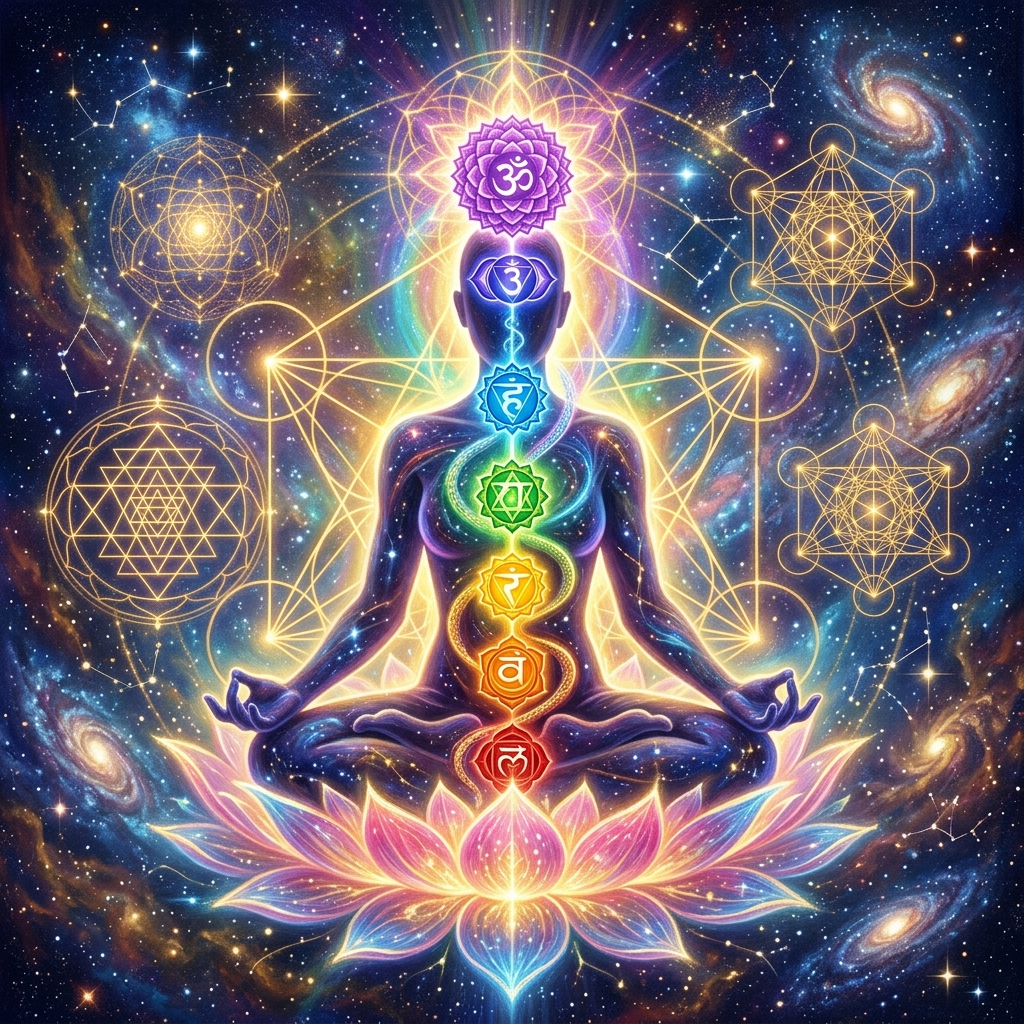
Śruti • The Oldest Living Text on Earth
1. Ṛgveda Saṃhitā
ऋग्वेदः — १०,५५२ मन्त्राः (१० मण्डलानि)
The foundation of all Indian thought. Composed of 1,028 hymns (Sūktas) praising Agni, Indra, Sūrya, and the cosmic order (Ṛta). Contains the famous Gayatri Mantra and the sublime Nasadiya Sukta (Hymn of Creation).
Opening Verse (1.1.1):
अग्निमीळे पुरोहितं यज्ञस्य देवमृत्विजम् । होतारं रत्नधातमम् ॥